Basic Information
| Field | Details |
|---|---|
| Name (as used here) | Bobbie Jett |
| Other recorded names | Roberta Webb “Bobbie” Jett; later records show Bobbie Tippins |
| Born | circa October 1922 |
| Died | 1974 (records vary on exact date) |
| Occupation | Dancer (early), later worked as a secretary |
| Child (known) | Jett Williams — born January 6, 1953 |
| Famous connection | Romantic partner of Hank Williams in 1952; mother of Hank Williams’s posthumous daughter |
| Notable cultural mention | Character portrayal in modern Hank Williams biopics and recurring presence in Hank-family narratives |
The Moment — and the Aftermath
I like to think of Bobbie Jett as a brief, bright chord in a very long country song — a note that arrives just before the chorus changes everything. In late 1952, in the final act of Hank Williams’s tumultuous life, Bobbie appears in the story: a young woman described in family histories as a dancer who became involved with Hank during his last year. The timeline matters: Hank Williams died January 1, 1953; the baby Bobbie carried was born January 6, 1953 — five days after his death. That single overlap of dates turns private choices into public legend.
The arithmetic of those five days is a small, sharp fact that altered several lives. The newborn — later known to the world as Jett Williams — grew up in a constellation of guardians, adoptions, and name changes: an infant handed into the care of Hank’s mother for a time, later raised under different surnames, and eventually reclaimed a public identity tied to her biological roots. For Bobbie, those early months and years were the axis of her public memory: mother, fleeting companion to a superstar, and then — as the decades rolled on — a historical footnote, preserved in family records, memorial listings, and the gossip-and-tribute orbit that surrounds famous names.
Family Portrait (compact table)
| Name | Relationship to Bobbie Jett | A short introduction |
|---|---|---|
| Jett Williams | Daughter | Born January 6, 1953; the child who ties Bobbie to country-music history. |
| Hank Williams | Father of Bobbie’s child / romantic partner (1952) | Country music legend who died Jan 1, 1953; his final year frames Bobbie’s most consequential chapter. |
| Lillie (Lillian) Williams Stone | Paternal grandmother to the child | Took early caretaking/guardianship roles for the baby in the months after Hank’s death. |
| Wayne & Louise Deupree | Later adoptive/raising parents | Names associated with the child’s upbringing under a different surname. |
| Wallace Tippins | Later spouse (as recorded in some civil records) | Bobbie appears in some memorial/genealogy records as Bobbie Tippins after a marriage. |
That table is a small stage: four or five people, one baby, a handful of household names — but the motion between them is what reads like a screenplay. I can almost see the frames: a hospital room in early January 1953, a grave still fresh in the winter ground, a grandmother taking a child into her arms — and the world beyond making of that private moment a public myth.
Career, Numbers, and Roles
Bobbie’s professional life — as it’s been preserved — is quieter than the headline her connection produced. Descriptions that appear in family histories and biographical sketches point to two main threads: she was a dancer in her earlier years, and later she worked as a secretary. Those are practical, ordinary-sounding occupations — but when you place them beside a figure like Hank Williams, they feel cinematic: a dancer in smoky clubs perhaps, a secretary with a ledger of small, steady tasks, and then the extraordinary pivot into headline history because of a single pregnancy and the death of a man whose voice would become canon.
Key numbers to hold in mind:
- 1952 — the year Bobbie’s relationship with Hank is generally placed.
- Jan 1, 1953 — the date of Hank Williams’s death.
- Jan 6, 1953 — birth of the child who would be known as Jett Williams.
- 1974 — year recorded for Bobbie’s death in memorial records.
There are no publicized figures for personal wealth or estates specifically tied to Bobbie Jett; her life did not unfold with the financial exposure of a celebrity, and the financial narratives around this circle are dominated by the legacy and legal matters of Hank Williams and his heirs rather than detailed ledgers of Bobbie’s private assets.
Pop Culture, Portrayal, and the Larger Story
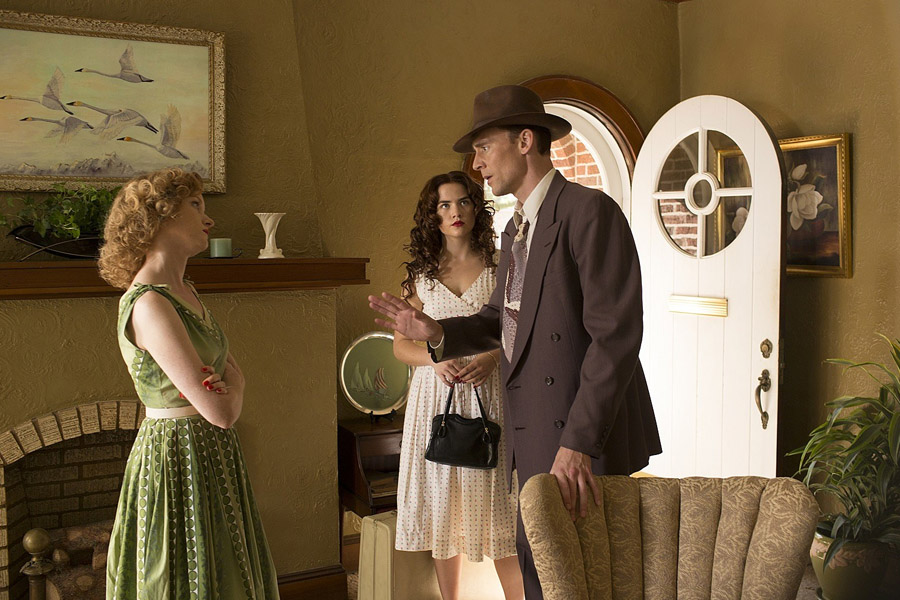
Pop culture has a way of recasting small lives into large frames. In modern retellings of Hank Williams’s life — films, documentaries, and the occasional music-history feature — Bobbie is a supporting character who matters because she is the bridge to Jett Williams. Her name appears in scripts and casting lists; an actress slips into the role, and a scene that once was a private room becomes a line in a movie. That cinematic treatment is fitting: the basic story has all the elements of drama — love, loss, a famous death, a posthumous child — so it moves naturally into the palettes of filmmakers and biographers.
On social media and in fan conversations, Bobbie’s identity is primarily conversational: a necessary historical fact, an emotional punctuation in the Hank Williams saga, and the human figure behind Jett Williams’s origin. The modern retellings — rhythmic, flashy, occasionally unforgiving — often emphasize the time-stamped facts (dates, names, adoptions) while leaving the tender interior life of Bobbie largely to the imagination.
My Take: A Voice Between Two Worlds
I’ll admit I’ve always been drawn to the in-between characters — the ones who don’t headline, but whose lives shape the headline. Bobbie Jett is exactly that: not a marquee name, but the hinge on which one of country music’s stranger, sadder family stories swings. She’s the human note that lingers after a record stops spinning.
Her life, as the records sketch it, is patchwork: dancer-then-secretary, mother-then-figure in an unfolding legal and emotional drama, private woman then — decades later — a remembrance in genealogies and film. The facts and the dates are the drumbeat. The rest — the feeling, the restlessness, the small choices made in darkened rooms — belongs to the imagination and the archive both, where memory and history meet and keep one another company.
FAQ
Who was Bobbie Jett?
Bobbie Jett was a woman recorded in family and biographical records as the mother of Jett Williams and as a romantic partner of Hank Williams in 1952.
When was her daughter born?
Her daughter, known today as Jett Williams, was born on January 6, 1953, five days after Hank Williams’s death.
What did Bobbie do for a living?
Records describe her early as a dancer and later working as a secretary.
Did Bobbie marry?
Some civil and memorial records list her later as Bobbie Tippins, indicating a marriage to a Wallace Tippins in certain registries.
When did Bobbie die?
Memorial records place her death in 1974, though exact dates vary among genealogical sources.
Starting Your Own Business What You Need To Know
Services To Look For When Choosing A National Seo Company
When To Choose Wood Flooring Over Other Materials
What Separates A Good Fit From A Frustrating One
How To Choose The Right Medical Malpractice Attorney For Your Case


